


-

Add: HeBei ShengShi HongBang Cellulose Technology CO.,LTD.
-

Email
13180486930@163.com -

CONTACT US
+86 13180486930
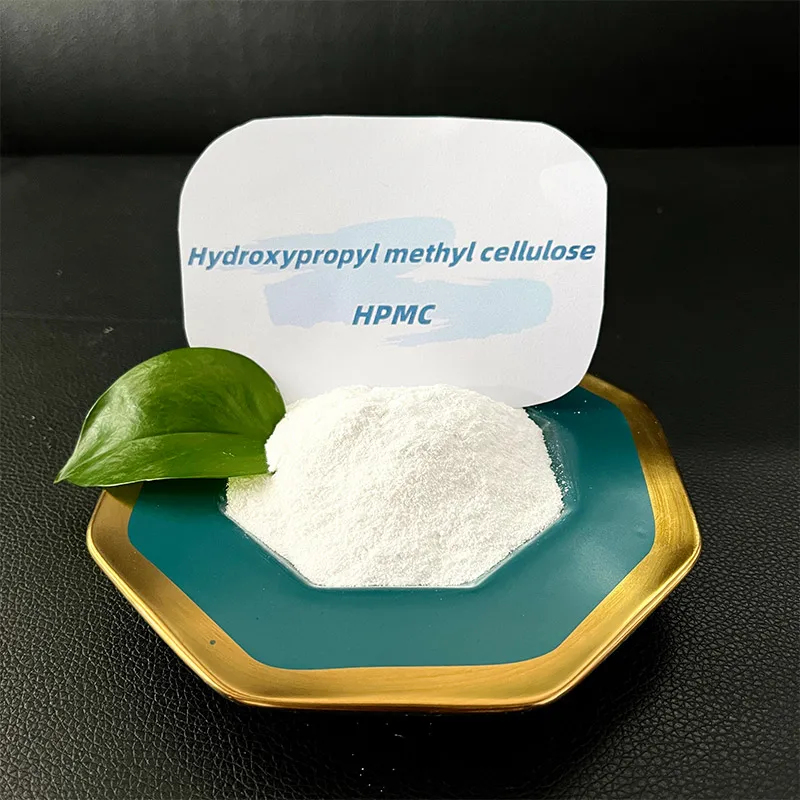




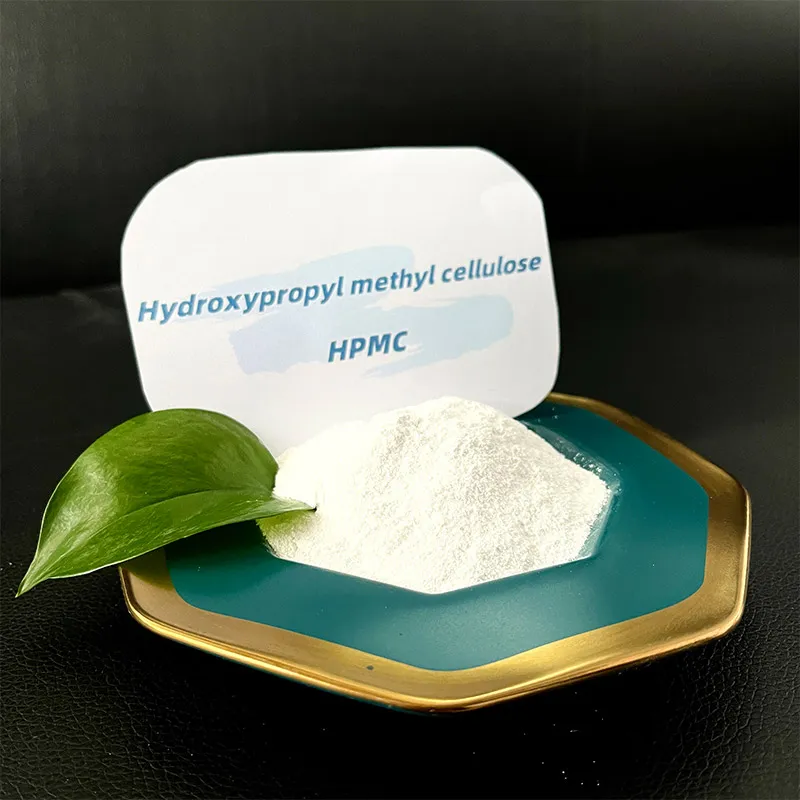
Hydroxypropyl methylcellulose (HPMC) E50 is a versatile and highly valued polymer in various industries, including pharmaceuticals, cosmetics, and construction. Its unique properties make it a product of choice for many manufacturers seeking to enhance the quality and efficiency of their applications. HPMC E50 is a non-ionic cellulose ether derived from natural cellulose, a renewable resource, making it an environmentally friendly option. This compound is known for its remarkable ability to form films and create gels, which are crucial for processes like drug formulation in the pharmaceutical industry. The polymer's consistency and reliability help create controlled release formulations, leading to improved bioavailability and patient compliance. Pharmaceutically, HPMC E50 is indispensable due to its role as an integral part of tablet film coatings. It provides excellent adhesion properties, protects the medicine from moisture, masks taste, and controls the release of the active ingredient. These capabilities not only enhance the stability and shelf-life of pharmaceutical products but also ensure accurate dosing. Manufacturers appreciate HPMC E50's non-reactivity, ensuring it does not interact adversely with active pharmaceutical ingredients (APIs), thereby maintaining the integrity and efficacy of the drug. The construction industry also benefits significantly from HPMC E50, particularly in the production of dry mix mortars and tile adhesives. Its ability to retain water efficiently results in improved workability and extended open time of the mortars. This property reduces cracking and enhances the bonding strength of tiles, thereby ensuring long-lasting finishes in construction projects. Furthermore, HPMC E50 enhances the leveling and anti-sagging properties of applied mixtures, ensuring precision and quality in finishing tasks. hpmc e50 Cosmetically , HPMC E50 is used as a thickening agent in creams and lotions. Its non-irritant nature makes it suitable for products developed for sensitive skin. The compound's ability to stabilize emulsions improves product texture, making it more appealing to consumers. Additionally, its application in personal care products extends to shampoos and conditioners, where it functions to improve viscosity and enhance the overall feel of hair care products. The trustworthiness of HPMC E50 is backed by rigorous testing and certification processes that ensure compliance with industry standards. Pharmacopeias globally recognize it, which cements its authority and reliability. Manufacturers prioritize quality and consistency, and HPMC E50's production processes are meticulously controlled to maintain its high standards. As industries continue to innovate, the demand for reliable and efficient materials like HPMC E50 is on the rise. Its compatibility with diverse applications and its eco-friendly nature contribute to sustainable industrial practices, a priority in modern production paradigms. In conclusion, HPMC E50 stands out as a prime example of a multifunctional compound facilitating advancements across various sectors. Its role in enhancing product performance, ensuring safety and compliance, and supporting sustainable practices makes it a cornerstone material that is certain to remain in high demand. Stakeholders in pharmaceuticals, construction, and cosmetics can rely on HPMC E50 to meet consumer expectations while adhering to stringent industry standards. With continued innovation and application, HPMC E50's potential is only set to expand, reaffirming its place as a critical component in diverse industrial landscapes.
- 40000tons

Production
- 20+years

Experience
- 5000+㎡

Acreage

-
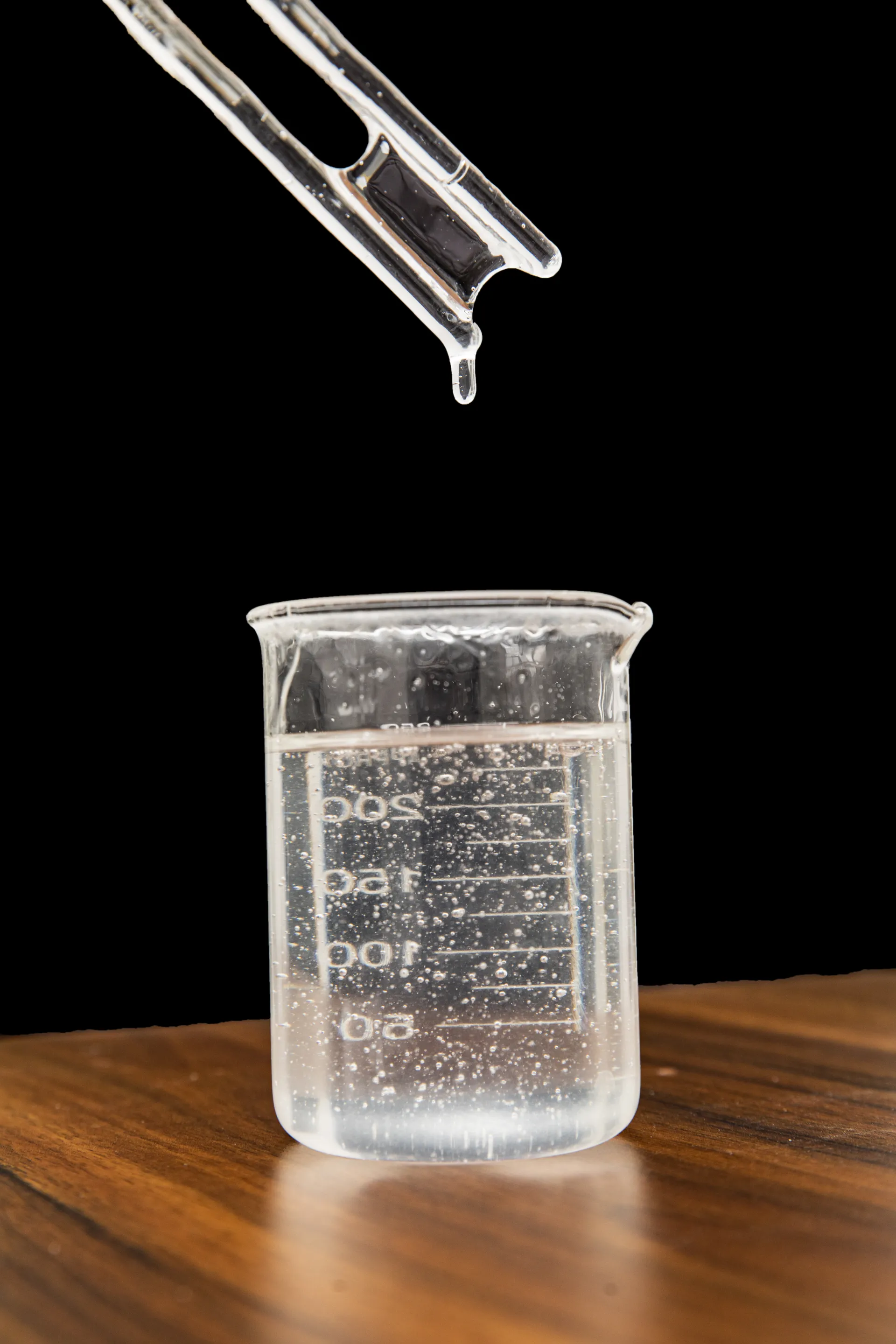
Hydroxypropyl methylcellulose (HPMC) is a versatile polymer extensively used across various industries due to its water solubility and exceptional properties. As a water-soluble polymer, HPMC is particularly valued for its ability to dissolve in both hot and cold water, making it an essential component in many formulations. Experience-based insights reveal that the solubility of HPMC in water is predominantly influenced by its methoxy and hydroxypropyl content. The balance of these groups determines not only its solubility but also its viscosity and gelation behavior. Through practical application, it is evident that HPMC easily dissolves in water without the need for high temperatures, enhancing its usability in industrial applications where simplicity and efficiency are paramount. From an expertise angle, professionals working with HPMC understand that its molecular structure is critical to its performance. The etherification of cellulose with methyl and hydroxypropyl groups allows HPMC to exhibit unique characteristics such as forming colloidal solutions and stabilizing emulsions and suspensions. In pharmaceutical formulations, for instance, HPMC acts as a controlled-release agent due to its gel-forming properties in aqueous environments. is hpmc soluble in water In terms of authoritativeness, research and standardizations have consistently shown that HPMC complies with numerous health and safety regulations, underscoring its reliability and widespread acceptance. The polymer's solubility in water without precipitating makes it an excellent candidate for pharmaceuticals, food products, and personal care items. It maintains stability and consistency, crucial for products that require precise specifications and quality assurances. Trustworthiness is further reinforced by HPMC's long history of safe use, backed by comprehensive studies documenting its non-toxic and biodegradable nature. Industries rely on HPMC not just for its functional advantages but also for its sustainable profile, which aligns with growing global demands for environmentally friendly materials. The polymer's predictable behavior and safety profile ensure that manufacturers maintain product integrity, earning consumer confidence and trust. Conclusively, hydroxypropyl methylcellulose's solubility in water makes it a highly adaptable polymer for various applications . Its ability to form gels and stabilize products, combined with its compliance with safety standards, positions it as a valuable ingredient across multiple sectors. The interplay of experience, expertise, authoritativeness, and trustworthiness positions HPMC as a reliable choice for enhancing product performance and delivering quality solutions in an increasingly competitive market.
-
Hydroxypropyl methylcellulose (HPMC) E15 is a versatile polymer used widely in various industries due to its exceptional properties. Known for its high quality and consistent performance, HPMC E15 is a product that guarantees effective solutions in applications ranging from pharmaceuticals to construction. Professionals across the globe trust this specific grade for its unique characteristics and benefits. One of the defining properties of HPMC E15 is its solubility in both hot and cold water, allowing for flexibility in formulation development. This feature makes it ideal for use in products where precise control of viscosity is required. Unlike other cellulose ethers, HPMC E15 maintains stability across a broad range of temperatures, making it reliable for applications exposed to extreme environmental conditions. In the pharmaceutical industry, HPMC E15 is esteemed for its role as an excipient, where it serves as a binder, film former, and controlled-release agent. Its non-ionic nature ensures compatibility with a wide array of active pharmaceutical ingredients (APIs), contributing to the efficiency of drug formulations. The ability of HPMC E15 to form a gel upon hydration is particularly valued in creating controlled-release drug delivery systems, optimizing the therapeutic effect by maintaining consistent drug levels in the bloodstream over time. From the perspective of food technology, HPMC E15 offers remarkable properties as a stabilizer, emulsifier, and thickener. Its ability to control the texture of food products without altering flavor or aroma makes it highly sought after. HPMC E15 is extensively used in gluten-free recipes, where it mimics the viscoelastic properties of gluten, thereby improving the texture and moisture retention of baked goods. hpmc e15 properties In the construction industry, HPMC E15 is recognized for enhancing the performance of cement-based products. It improves the workability of mortar, acts as a water retention agent, and prevents segregation, ensuring a uniform mix. Moreover, it increases the open time of mortars, allowing for better adhesion and ease of application. These attributes not only enhance the quality of the work but also contribute to reducing overall costs by minimizing material waste and increasing application efficiency. The synergy of HPMC E15’s properties ensures its authoritative position in these industries . Its biocompatible and biodegradable nature further underscores its environmental and consumer safety credentials, addressing regulatory concerns and promoting sustainability. The trustworthiness of HPMC E15 is underscored by rigorous testing and certifications from industry-standard bodies, ensuring that it complies with health and safety regulations globally. From an expertise standpoint, selecting HPMC E15 involves understanding the nuanced benefits it provides over other grades or comparable products. Experts recognize that the balance of viscosity, gel formation, and thermal stability can significantly affect final product performance, making HPMC E15 a vital component in high-performance applications. In summary, the admirable properties of HPMC E15 contribute to its status as a multifunctional material. Its consistent quality and reliable performance across industries attest to its value, substantiating its widespread adoption. Professionals leveraging these properties can innovate and enhance product offerings, maintaining a competitive edge in their respective fields. By focusing on the individual characteristics and the collective benefits of HPMC E15, industry practitioners can optimize its use effectively, reinforcing its status as a trusted agent of change and efficiency.
advantages
-

200000 Viscosities
Excellent product
We can produce pure products up to 200,000 viscosities
-

40000 tons
High yield
We don’t stop production all year round, and the annual output can reach 40,000 tons
-

24 hours
Quality service
We provide 24-hours online reception service, welcome to consult at any time
———— Inquiry Form
Schedule A services

-
 hpmc_ph
Oct . 25, 2025
Understanding the Properties of Hydroxypropyl Methylcellulose Hydroxypropyl methylcellulose (HPMC) i -
 hpmc_e15_properties
Oct . 25, 2025
HPMC Dextran is the innovative addition to the pharmaceutical excipients' domain that is capturing s -
 polypropylene_vs_carbon_fiber
Oct . 25, 2025
Navigating the complex world of nbr rubber powder reveals its immense benefits and transformative pr


